
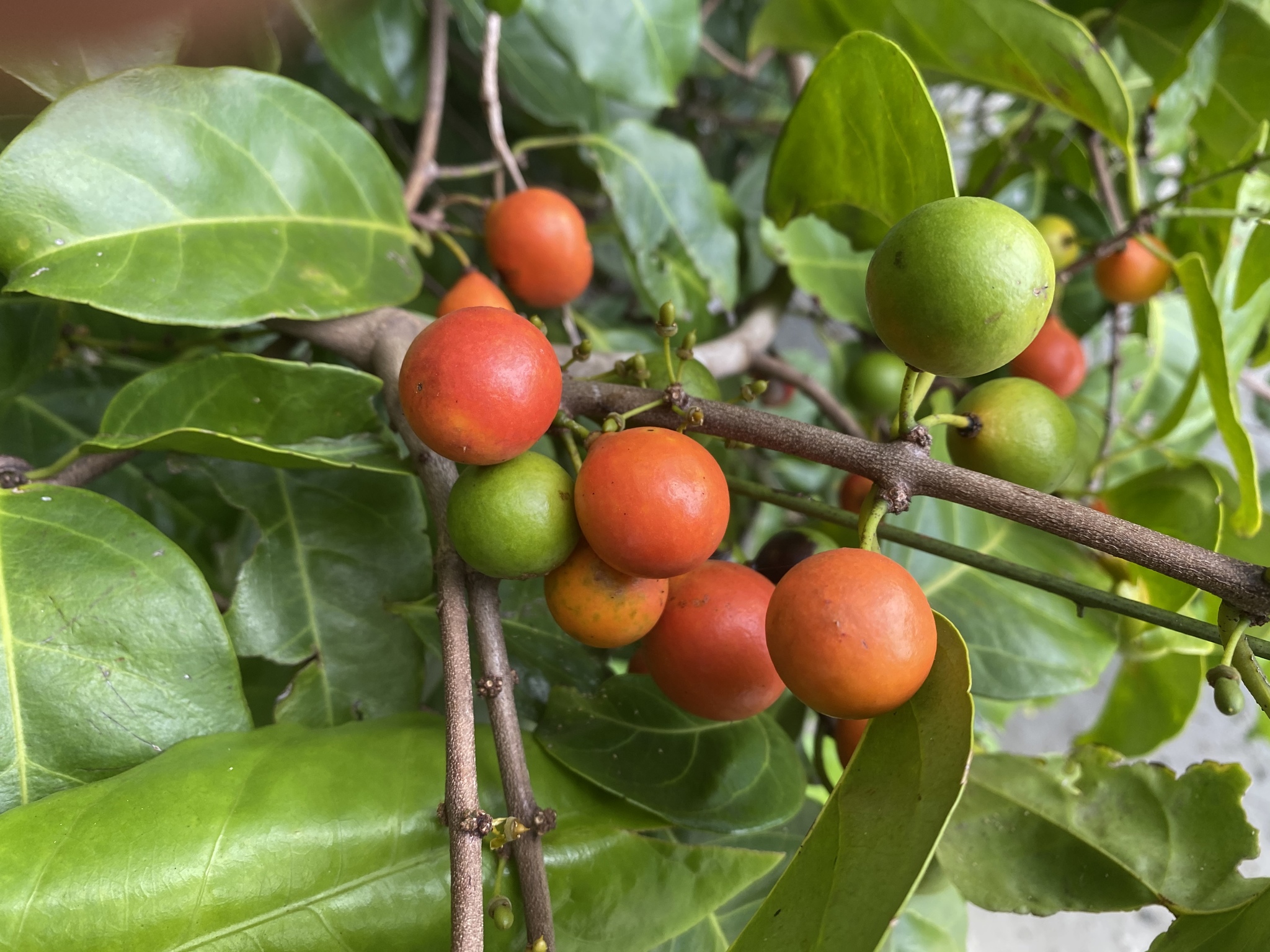
Saptrangi Churn (SAP P)
Description
Saptarangi Herb:
Saptarangi is a medicinal climber or shrub commonly found in India, Sri Lanka, and Southeast Asia. It holds an important place in Ayurveda, Siddha, and Unani systems of medicine. Traditionally, it is used in the treatment of:
-
Diabetes – helps regulate blood sugar levels.
-
Obesity – supports fat metabolism and weight management.
-
Digestive Disorders – aids in improving digestion and relieving gastric discomfort.
Benefits
Key Medicinal Uses of Saptarangi in Ayurvedic Medicine:
-
Diabetes Management:
The decoction or powder of Saptarangi root helps regulate blood sugar levels. It works by inhibiting enzymes such as α-glucosidase and α-amylase, thereby slowing glucose absorption. -
Obesity:
It slows down fat digestion and supports weight loss. -
Blood Pressure Regulation:
The bark of the plant is considered beneficial in managing hypertension. -
Digestive Disorders:
Saptarangi enhances digestive power and is useful in treating constipation, bloating, and indigestion. -
Antioxidant and Anti-inflammatory:
It helps reduce inflammation and prevents cellular damage by acting as a natural antioxidant.
Specification
Hindi Name: Saptarangi
Sanskrit Names: Saptalangi, Swarnamoolika, Meshashringi, Saptalangika
Tamil: Inji Maram (இஞ்சி மரம்)
Marathi: Saptarangi
Natural Appearance:
Saptarangi is a climbing medicinal shrub. It has brown-colored bark and yellow roots.
How to use
It is used by Gavyasiddh practitioners, Vaidyas, and Ayurvedic medical experts in the preparation of traditional herbal formulations.